The combination of realistic Ibsen and cabaret works surprisingly well
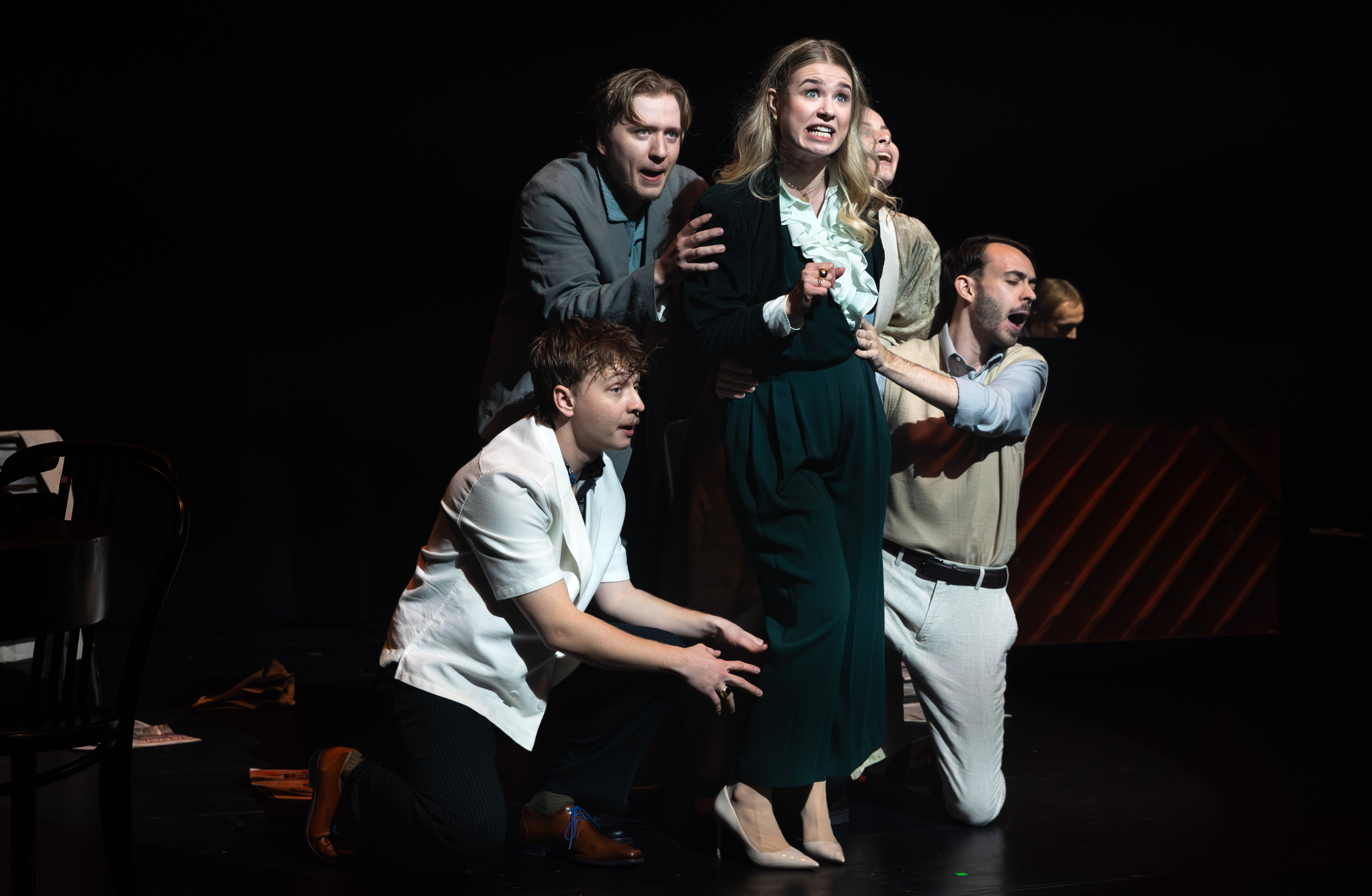
The first performance of the penultimate festival day had, as its themes, lies, stylization, and strong energy. The Theatre Husa na provázkuhosted students from the Academy of Performing Arts in Bratislava (VŠMU), who presented their own interpretation of Ibsen’s An Enemy of the People. In their hands, the classic text gains a fresh and contemporary dimension.
The production is built on a combination of realistic acting and cabaret stylization. Musical numbers appear repeatedly at the beginning, during scene transitions, and at the end, creating a clearly structured rhythm through the performance. These are not mere embellishments, but an integral part of the composition that helps the audience navigate the situations unfolding. The opening song about the destructive power of money serves as a clear example. The contrast between the serious subject matter and the light form it takes does not feel disruptive; on the contrary, it generates tension that keeps the performance in constant motion and allows it to shift between irony and seriousness without losing meaning.
In the context of the current political situation in Slovakia, the theme of lies and manipulation gains much urgency. What might otherwise function asthe general moral dimension of Ibsen’s text becomes, between the lines, strikingly concrete. Thus, the production does not come across as a mere interpretation of a classic, but rather as a living commentary that holds a mirror up to society.
The creators work with subtle humorous references as well as meta-lines. For instance, suggested baby names such as Nora or Hedda immediatelytriggered audience reactions, as they refer to heroines from other Ibsen plays. The production also features precise comic timing, a breaking of the fourth wall towards the end, and playful use of language. This is particularly evident in a wordplay where the Slovak phrase “pre ľud” (for the people) transforms into “prelud” (an illusion) within a song. However, this specific use of language may present a barrier, especially for audiences who do not understand Slovak or Czech.
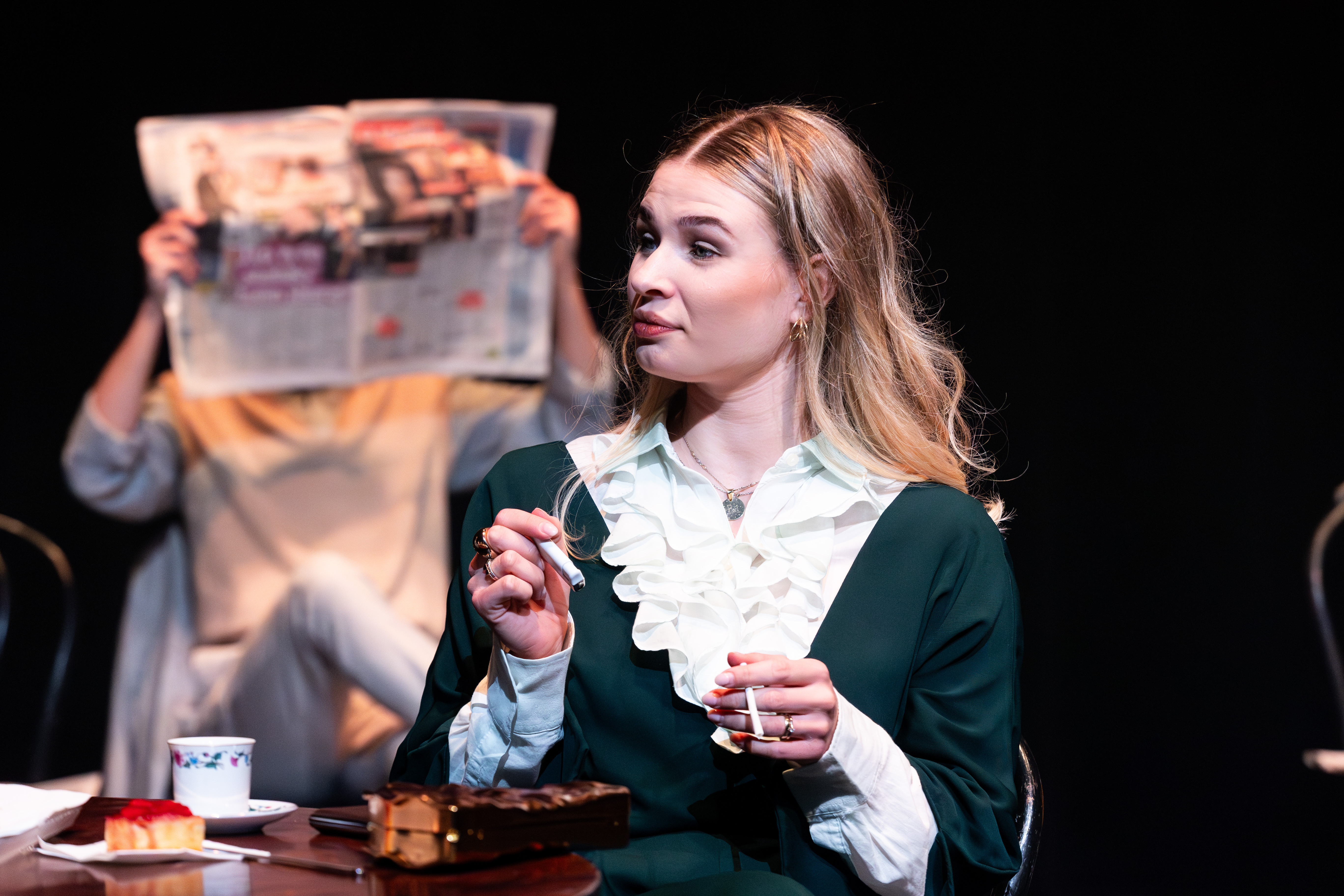
All actors remain present on stage throughout the entire performance. When a character is not part of the current situation, they sit on a chair and, in a frozen pose, cover their face with a newspaper as if reading. This simple principle enables smooth transitions between scenes while also creating a strong visual motif that holds the acting space together.
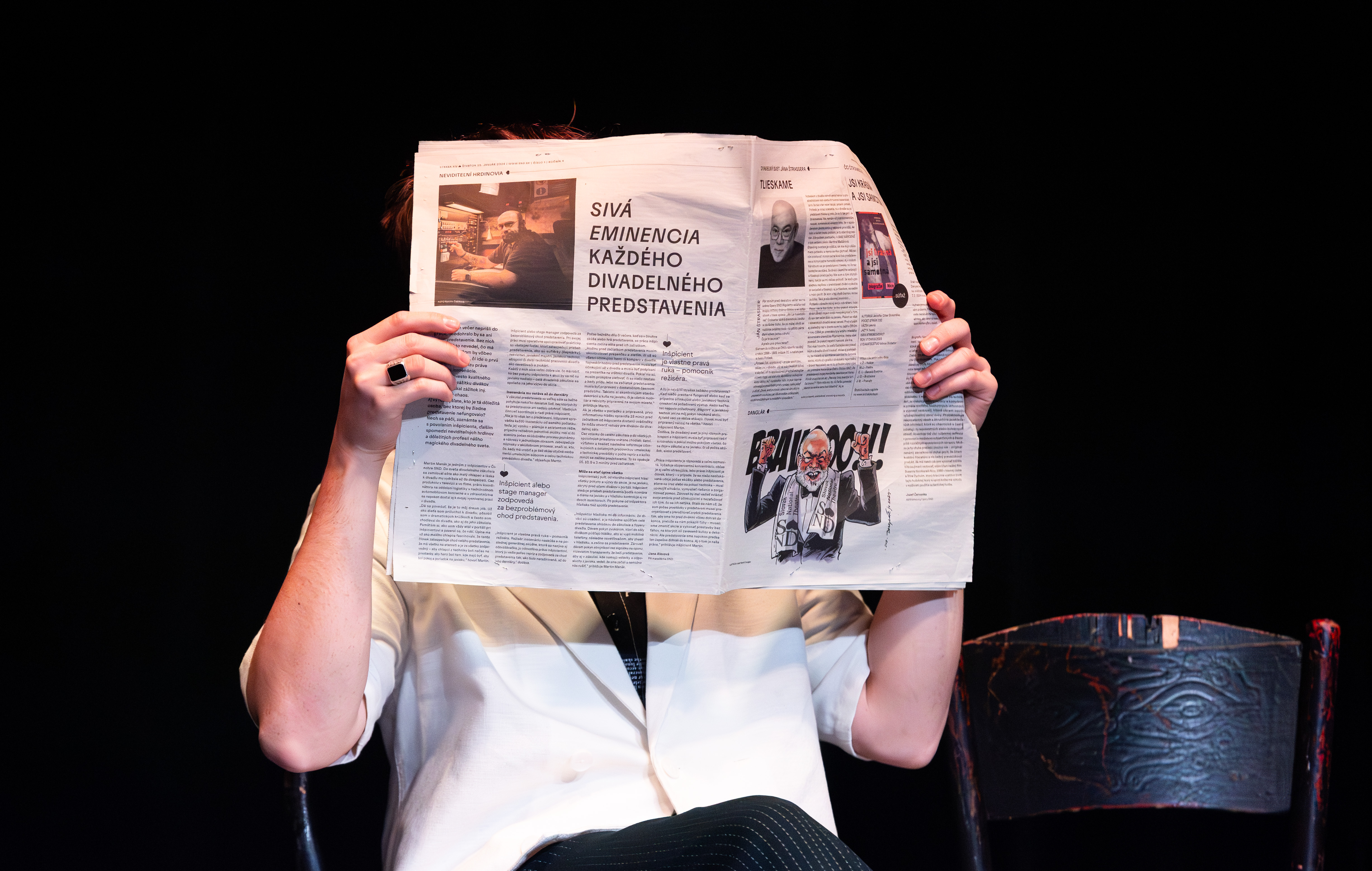
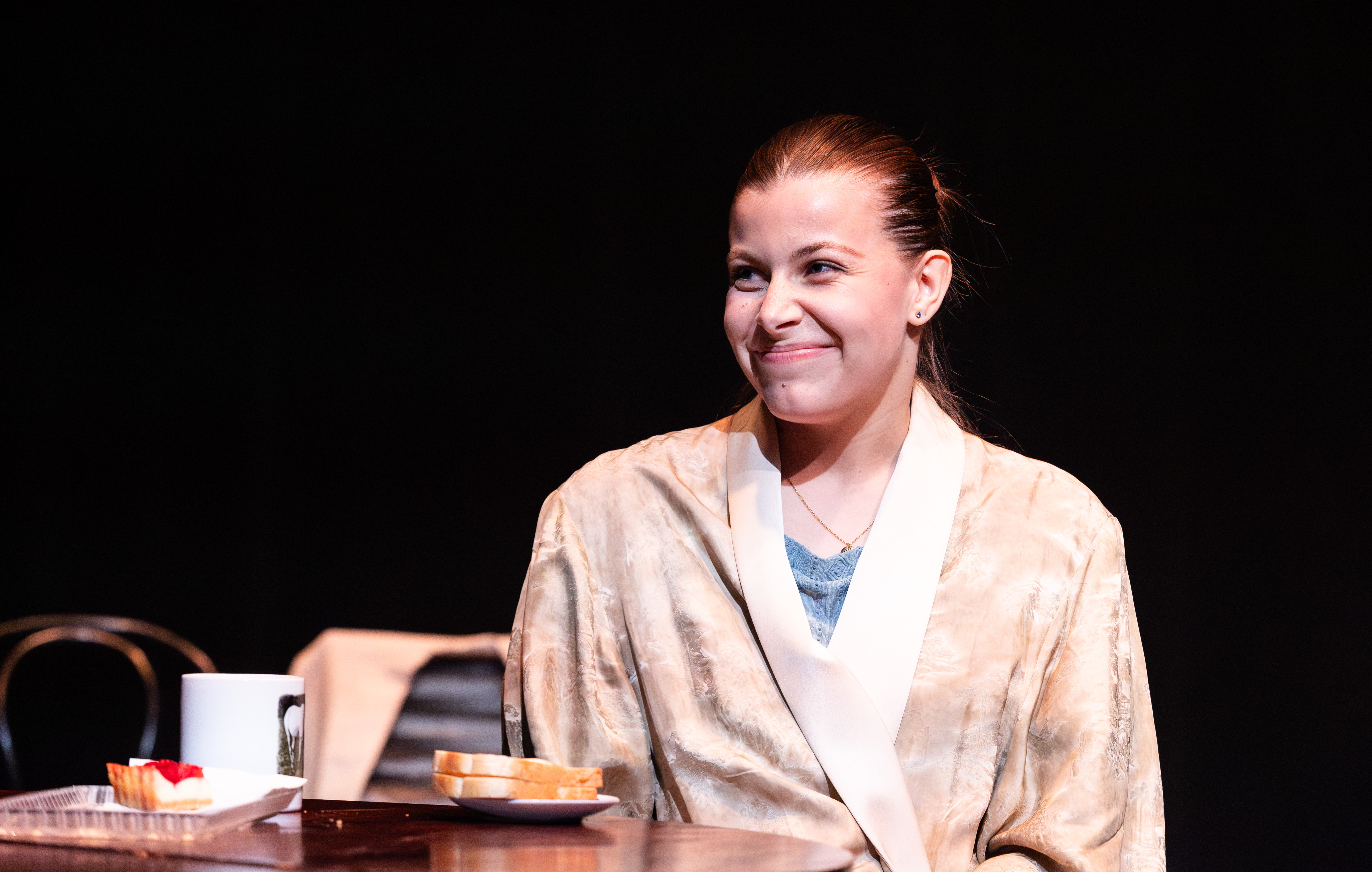
The performances are convincing and natural across the entire ensemble. From the self-assured Dr. Stockmann (William Heringes), through his calculating sister Petra, the town’s mayor (Emily Bédi Drobňáková), to the more comic duo of journalists Hovstad and Billing (Daniel Zwach, Richard Labuda).
The cabaret atmosphere is further enhanced by live piano music which accompanies the songs but also serves as a source of sound effects, such as a doorbell. The music helps maintain the contrast between the lightness of form and the seriousness of the subject. Overall, the production presents an unconventional yet functional synthesis of humour and drama.
Author: Tomáš Chudoba
Photo: Linda Dobrovolná