The OFF Programme: A “Festival Within a Festival”
The OFF Programme at the International Festival of Theater Schools SETKÁNÍ/ENCOUNTER offers more than just a side program.
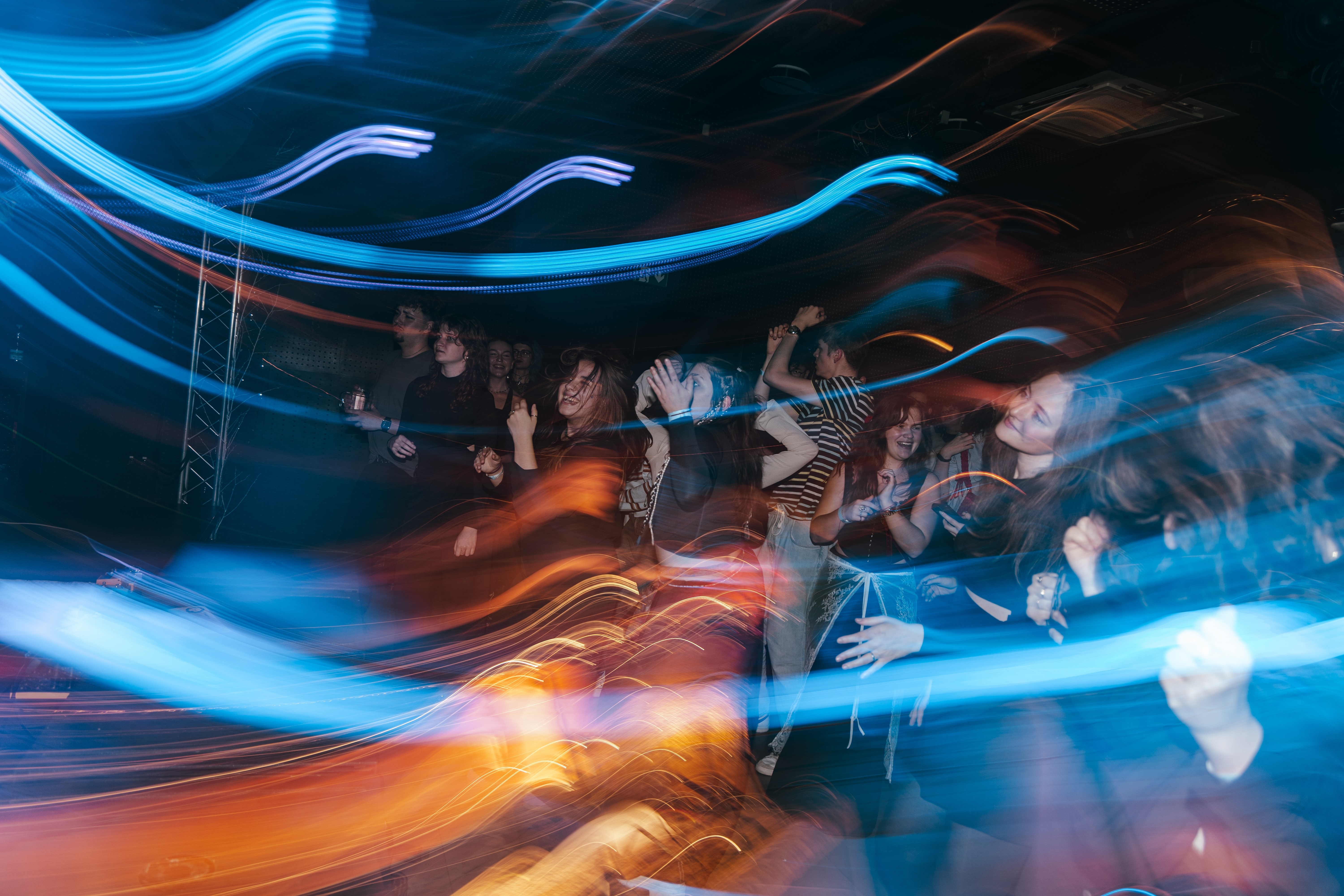
The OFF Programme at SETKÁNÍ/ENCOUNTER is, in a way, a festival within a festival. Don’t just expect “something added” to the Main Programme—think of it more as a stream of events running from morning to night, occasionally drawing you in so deeply that you forget where you were originally headed. It’s a mix of everything imaginable: student performances, concerts, workshops, screenings, and chance encounters that can easily become the highlight of the day.
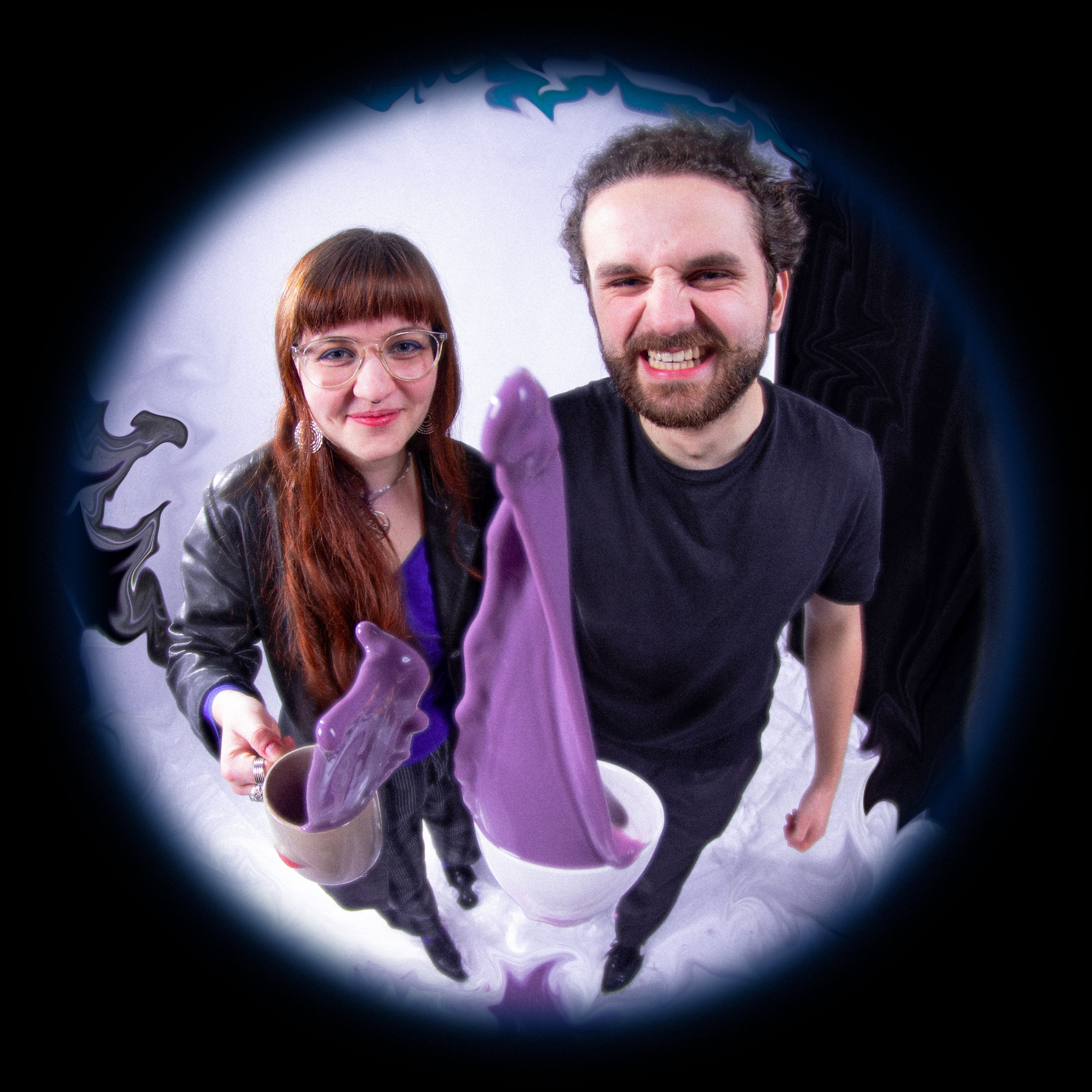
As a first-year student in the Media and Promotion section, I decided to find out what exactly lies behind OFF, so I interviewed Anna Šestáková, the production manager of the OFF Programme. And as she herself says: “A synthesis of creations, projects, and student performances from the JAMU Drama Faculty—something every day from morning to night—you’ll never be bored!”
What exactly falls within the OFF programme section, and how does it differ from the festival’s Main Programme?
The Main Programme consists of performances by selected companies. That is the reason the festival exists, the reason guests and visitors from all over the world come here every year. The OFF Programme is actually a companion program to the main one—its function is to create a space for visitors, participants, guests, students, and the public to meet. At the same time, the festival opens and closes with a unique ceremony.
In recent years—and this is how we’re approaching it this year as well—the OFF Programme has increasingly featured works by students from the JAMU Drama Faculty that, by their very nature, don’t fit into the Main Programme—such as photography exhibitions or film screenings created by our students.
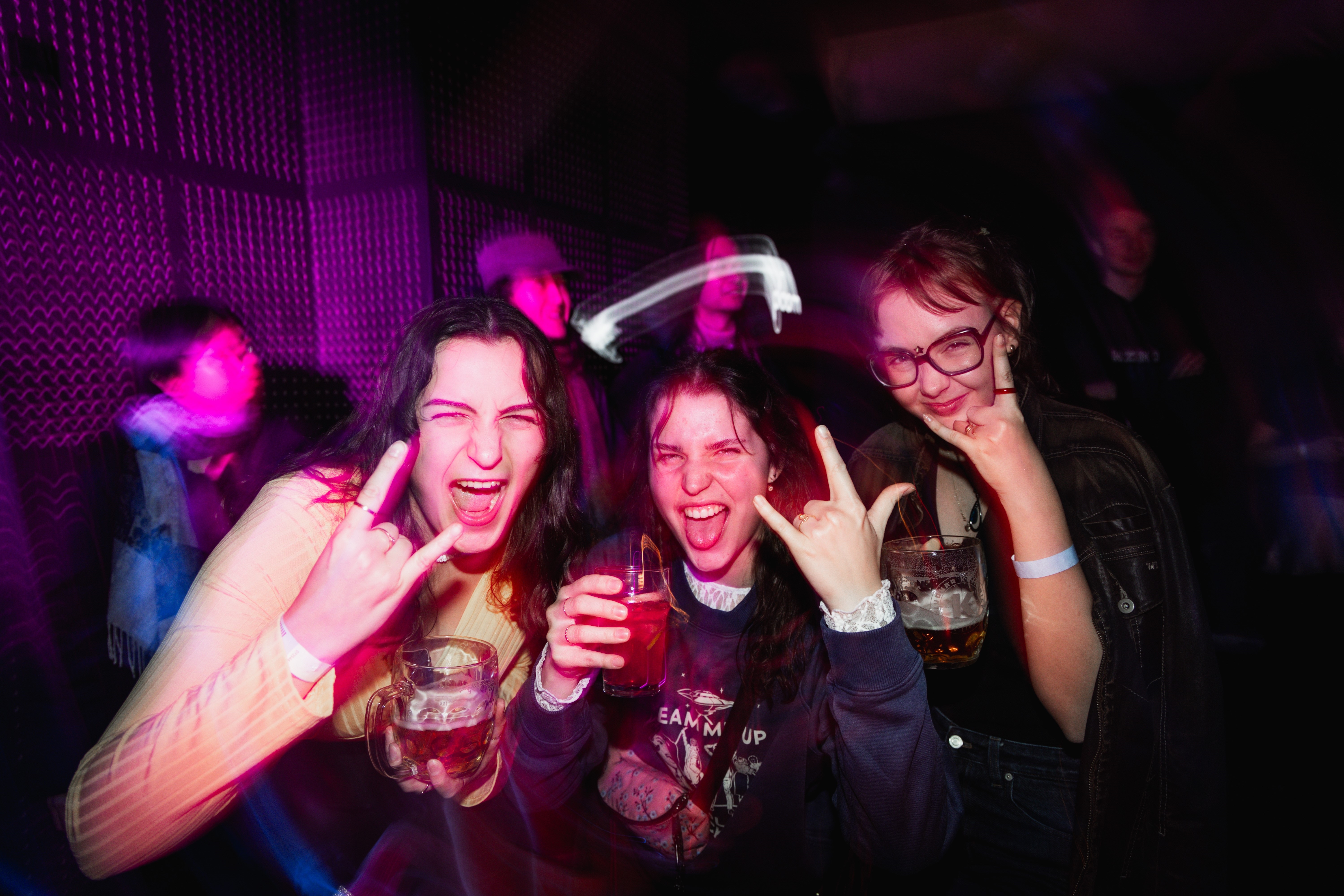
The OFF Programme includes evening events, typically parties at clubs in Brno. This year, you can look forward to parties at Kabinet Múz, Pul.pitu, and Co.labs, as well as the opening event in the courtyard of Divadlo Husa na provázku, at Alžbětínka.
In addition to the evening highlights, we’re also organizing workshops—you’ll be able to attend six of them during the festival week! In addition to movement workshops led by Tomáš Weber, John Freeman, and Bibiana Krausková, we’ll offer lectures on Live Cinema by Kamila Polívková, Crowd Safety in Event Settings led by Martin Královič, and a lecture titled “Performing Democracy Under Illiberalism” by Noémi Herczog.
Throughout the festival, an exhibition by ATD students will be on display at the Trojka café, and on Saturday there will be a series of film screenings in the Chillout Room at DF JAMU.
From March 16 to April 20, an exhibition will be on display at Moravské náměstí near Jošt, where you can learn more about the festival’s history, the countries that have visited us, the festival ambassadors, and this year’s edition.
In short—the OFF Programme has a ton of events, and we guarantee you won’t be bored during the festival!
How do you choose the events or artists that make it into the OFF program?
As for concerts, at the beginning of the academic year we create a list of bands, and all members of the MFR (the Auxiliary Festival Board) can add suggestions. Then we review it, sort through the options, and decide what’s feasible within our budget and target audiences, and reach out to them.
For workshops, the process is quite similar.
We strive for a diverse programme where everyone can find something they like.
OFF performances, exhibitions, and screenings are organized via open call—anyone can apply, and selections are made from the applicants. This is done either by us, the organizers, or, in the case of OFF performances, by the Dean’s Council.
Was there anything this year that you really wanted to organize but didn’t end up happening?
Yeah, the tournament at Woodkopf. And also an open-air theater event, which ultimately couldn’t be held due to staffing issues. Maybe it’s for the best—we all know what April weather is like.
Is there any event from this year’s OFF Programme that you’re personally most looking forward to?
I’m really looking forward to Noémi Herczog’s lecture, and then quite a bit to the concerts at Pul.pit and Co.labs, mainly because we’ve never held evening festival events there before, so it’ll be a new space and a new experience. But otherwise, I don’t have any favorites—we tried to select and prepare everything as best as we could, so I’m looking forward to everything equally!
What has working on the OFF Programme given you—perhaps experience or something you’d recommend to students in lower grades?
Probably not to be afraid to try new things, but to have a good plan ready for them and tackle them well in advance. And that the most important thing is that we, as students, learn something from the festival, and if something doesn’t work out or doesn’t go as planned, it’s not the end of the world.
But personally, I’ve learned a lot about time management, leading meetings (better than I could before), and creating clearer spreadsheets.
But the OFF Programme isn’t just about everything you manage to see; it’s also about what you learn along the way, whether as an audience member or an organizer. It’s a space where things don’t always go according to plan (see the canceled tournament at Woodkopf), but that’s part of the experience. As mentioned in the interview: “It’s not the end of the world—on the contrary, it’s an experience.
And maybe that’s exactly why the OFF Programme at SETKÁNÍ/ENCOUNTER works. It’s not perfect, it’s a bit chaotic, but it’s alive. And if you’re still not convinced? Well, the final note is simply: “It’s awesome!”
Cover photo by Klára Prchalová